
Best Hair Transplant Clinics in Punjab: A Patient Guide
Hair loss can affect people at different stages of life. Receding hairlines, thinning crowns, patchy beard growth and reduced hair density are common concerns that may lead people to explore hair restoration options. Across Punjab, patients can find clinics offering different hair transplant techniques, consultations and treatment plans.
Choosing a hair transplant clinic is an important decision. The right choice should be based on medical assessment, practitioner qualifications, donor hair availability, treatment planning, patient safety and realistic expectations—not simply advertisements or promises of guaranteed results.
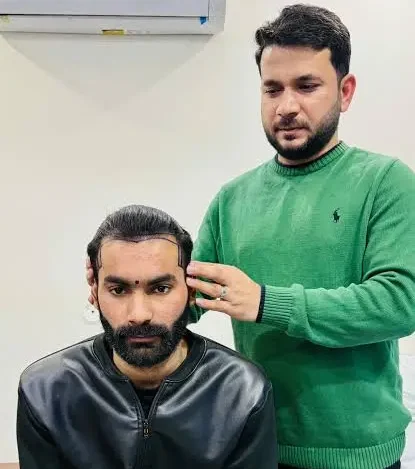
Understanding Hair Transplant Clinics in Punjab
Punjab has a large population and several major cities where people can explore hair restoration services. Lahore, Faisalabad, Multan, Gujranwala, Sialkot, Rawalpindi and other cities have patients researching surgical and non-surgical options for hair loss.
A hair transplant involves moving hair follicles from a suitable donor area, usually the back or sides of the scalp, to areas affected by hair loss. The procedure requires careful planning because donor hair is limited and must be used strategically.
Not every person experiencing hair loss needs a transplant. Some forms of hair loss may require medical evaluation or non-surgical treatment. A qualified professional should assess the cause of hair loss before recommending surgery.
How to Choose a Hair Transplant Clinic in Punjab
There is no single factor that can establish whether a clinic is the right choice for every patient. A responsible decision involves reviewing several important aspects of the clinic and its treatment approach.
1. Practitioner Qualifications and Experience
Patients should ask about the qualifications and relevant experience of the medical professional responsible for their treatment. They should understand who conducts the consultation, who plans the hairline, who performs the extraction and implantation, and who supervises the procedure.
Do not rely only on promotional titles. Ask clear questions about the professional's role and experience with the proposed procedure.
2. Individual Hair and Donor Assessment
A proper consultation should include an assessment of the hair-loss pattern, scalp condition, donor density, hair characteristics and existing hair. The clinic should explain whether transplantation is appropriate and what results may realistically be achievable.
A suitable treatment plan should account for future hair loss as well as the patient's current appearance.
3. Hairline Design
Hairline design has a major influence on the appearance of a hair transplant. A natural-looking hairline should be considered in relation to facial proportions, age, existing hair and the patient's long-term restoration needs.
Patients should discuss the proposed hairline before treatment and understand why the design is appropriate for their individual features.
4. Transparent Treatment Information
A clinic should explain the proposed technique, estimated graft requirement, treatment stages, expected recovery, possible risks and follow-up arrangements. Patients should have enough information to make an informed decision without pressure.
5. Patient Safety and Aftercare
Hair transplantation is a medical procedure. Patients should ask about hygiene, clinical facilities, the management of complications and the availability of post-procedure guidance. Clear aftercare instructions are important for protecting the treated area during recovery.
Common Hair Transplant Techniques Available in Punjab
Different hair transplantation techniques may be discussed depending on the patient's needs, donor characteristics and restoration goals. The names of techniques alone do not determine which option is best.
FUE Hair Transplant
Follicular Unit Extraction, commonly called FUE, involves removing individual follicular units from a suitable donor area. These grafts are then prepared and transplanted into the recipient area.
FUE does not involve removing a linear strip of scalp, although small extraction marks may remain. The number of grafts that can be safely harvested depends on donor density, hair characteristics and the treatment plan.
Patients can explore the clinic's hair transplant services and discuss whether FUE may be suitable during a consultation.
DHI Hair Transplant
Direct Hair Implantation, or DHI, is an implantation approach that commonly uses a specialized implanter device to place prepared follicular grafts into the recipient area.
DHI is often discussed alongside FUE because individual follicular units may be harvested before being implanted using the DHI approach. The appropriate method depends on the individual treatment plan.
Read more in our detailed guide to DHI Hair Transplant in Lahore.
FUT Hair Transplant
Follicular Unit Transplantation, known as FUT, involves removing a strip of scalp from the donor area. The strip is divided into individual follicular units for transplantation.
FUT and FUE have different harvesting methods. FUT generally leaves a linear donor-area scar, while FUE creates multiple small extraction marks. A medical professional can explain the benefits and limitations of each approach.
Hair Transplant for Different Types of Hair Loss
Receding Hairline
A receding frontal hairline is a common reason people explore hair transplantation. Treatment planning should consider the patient's age, existing hair, donor supply and possible future progression of hair loss.
The goal is to create a hairline that looks appropriate and does not use donor follicles unnecessarily.
Crown Hair Loss
The crown area can be challenging because hair naturally grows in a circular or whorl-like pattern. The direction and distribution of existing hair should be considered when planning graft placement.
The number of grafts needed depends on the size of the thinning area, donor availability and the desired coverage.
Beard Transplant
Some people explore beard transplantation for selected areas of patchy or uneven facial hair. The procedure involves moving suitable follicles to the beard area, where placement must account for natural facial hair direction and density.
Eyebrow Transplant
Eyebrow transplantation may be considered by selected patients seeking fuller eyebrow coverage. Because eyebrow hair has a distinct direction and angle, careful planning is important.

What Happens During a Hair Transplant Consultation?
The consultation is an opportunity to understand the cause and pattern of hair loss and discuss possible treatment options. Patients should be encouraged to ask questions and understand the limitations of surgery.
A consultation may include:
- Discussion of hair-loss history and concerns.
- Examination of the scalp and donor area.
- Review of existing hair density and hair characteristics.
- Discussion of suitable treatment techniques.
- Hairline and recipient-area planning where appropriate.
- Discussion of estimated graft requirements.
- Explanation of possible risks and recovery.
- Individualized cost information and follow-up arrangements.
How Many Grafts Does a Hair Transplant Require?
The number of grafts varies from one patient to another. A person with mild frontal recession may require a different treatment plan from someone with extensive hair loss involving both the frontal scalp and crown.
Graft estimates should be based on the treatment area, donor density, hair characteristics, existing coverage and realistic restoration goals. A clinic should explain why a particular graft number is recommended.
More grafts do not automatically mean a better result. Protecting the donor area and distributing available follicles carefully are important parts of long-term planning.
Hair Transplant Cost in Punjab
Hair transplant costs can vary between clinics and patients. There is no single price that applies to every procedure throughout Punjab. The final estimate may depend on the number of grafts, technique, treatment complexity, practitioner involvement and services included.
| Cost factor | Why it matters |
|---|---|
| Graft requirement | The size of the treatment area influences the amount of work required. |
| Technique | Different harvesting and implantation approaches may involve different processes. |
| Donor condition | Donor density and hair characteristics influence treatment planning. |
| Clinical services | Consultation, procedure, medicines and follow-up arrangements may affect the total estimate. |
| Individual complexity | Each patient's hair loss and restoration goals are different. |
Patients should request a written explanation of the proposed treatment and total cost. Be cautious of unusually low prices or offers that do not include a proper medical assessment.
Hair Transplant Recovery and Results
Recovery and hair growth take time. After transplantation, patients may experience temporary redness, swelling, tenderness, itching or small crusts around the treated area. The exact recovery experience varies.
Some transplanted hairs may shed during the early period after surgery. This does not necessarily mean that the transplanted follicles have been lost. New hair growth develops gradually over the following months.
Patients should follow the clinic's instructions about washing, sleeping, physical activity, sun exposure and protecting the transplanted area. They should contact their medical provider if they experience unexpected or concerning symptoms.

Questions to Ask Before Choosing a Clinic
Before committing to a procedure, patients should ask questions that help them understand the treatment and the people responsible for providing it.
- Who will assess my hair loss and donor area?
- Who will perform each stage of the procedure?
- Which technique is being recommended and why?
- How many grafts are appropriate for my case?
- How will my donor area be protected?
- What are the possible risks and complications?
- What recovery instructions will I receive?
- How many follow-up appointments are included?
- What results are realistic for my hair characteristics?
- What is included in the total treatment cost?
Why Consider Hair Clinic By Zahid in Lahore?
Hair Clinic By Zahid provides hair restoration consultations and services in PIA Housing Society, Lahore. The clinic's website describes treatment options including FUE, FUT, DHI, beard transplantation, eyebrow transplantation, hairline design and PRP therapy.
Patients researching treatment options can visit the About Hair Clinic By Zahid page to learn more about the clinic and its approach.
You can also explore the clinic's hair transplant results gallery to view published examples. Patient photographs should be reviewed with an understanding that results vary according to individual characteristics, treatment planning and healing.
A personal consultation is the appropriate next step for anyone who wants to understand whether a hair transplant may be suitable for their situation.
Hair Transplant Clinics in Major Punjab Cities
Lahore
Lahore is one of Punjab's major destinations for people researching hair restoration. Patients should compare consultation quality, practitioner qualifications, treatment planning, safety arrangements and aftercare before making a decision.
Hair Clinic By Zahid is located in PIA Housing Society, Lahore. Visit the contact page for location and appointment information.
Faisalabad
People in Faisalabad researching hair transplantation should look for a clinic that provides a clear explanation of the proposed procedure, donor assessment, realistic expectations and post-operative care.
Multan
Patients in Multan may compare available hair restoration providers and ask about the qualifications of the treating professional, clinical facilities and follow-up arrangements.
Gujranwala
When exploring hair transplant options in Gujranwala, patients should avoid choosing a provider based solely on promotional offers. A detailed consultation and transparent treatment plan are important.
Rawalpindi and Other Punjab Cities
Patients from Rawalpindi, Sialkot, Sahiwal, Kasur, Okara and other cities should consider travel arrangements, follow-up visits and access to medical support when comparing clinics.
Is Hair Transplant Suitable for Everyone?
No. Hair transplantation is not suitable for every person experiencing hair loss. The underlying cause, donor hair availability, scalp health, age, medical history and pattern of hair loss all matter.
Some patients may benefit from medical evaluation or non-surgical management instead of surgery. A qualified medical professional should explain the available options and help the patient make an informed decision.
Final Thoughts: Choosing a Hair Transplant Clinic in Punjab
Finding a suitable hair transplant clinic in Punjab requires research, realistic expectations and a careful assessment of clinical quality. Patients should understand the proposed technique, ask about practitioner qualifications, review donor-area planning and discuss risks and recovery before making a decision.
FUE, FUT and DHI are different approaches that may be considered according to individual requirements. No technique guarantees the same result for every patient, and the number of grafts alone does not determine treatment quality.
For people considering hair restoration in Lahore, Hair Clinic By Zahid offers consultation and information about its hair transplant services. Start by discussing your hair-loss concerns, understanding your options and obtaining an individualized assessment.
Explore Hair Restoration at Hair Clinic By Zahid
Have questions about hair transplantation, donor hair, hairline design or recovery? Contact the clinic to discuss your concerns and arrange a consultation.
Contact the Clinic Visit Website Call +92 305 4120422Frequently Asked Questions
1. Which hair transplant technique is best?
There is no universally best technique. FUE, FUT and DHI have different processes, and suitability depends on donor characteristics, hair-loss pattern and the patient's treatment goals.
2. How do I choose a hair transplant clinic in Punjab?
Review practitioner qualifications, consultation quality, donor assessment, clinical safety, treatment transparency, patient results and aftercare arrangements.
3. How much does a hair transplant cost in Punjab?
Costs vary according to graft requirements, technique, treatment complexity and clinic services. Request an individualized assessment and written quotation.
4. How long does hair transplant recovery take?
Initial healing occurs over days and weeks, while visible hair growth develops gradually over several months. Follow your medical provider's instructions.
5. Can a hair transplant restore a receding hairline?
It may be an option for selected patients with suitable donor hair. Hairline design should account for facial proportions, age and possible future hair loss.
6. Is DHI different from FUE?
FUE describes a follicular graft harvesting method, while DHI commonly refers to an implantation approach using a specialized device. They can be used as parts of the same treatment process.
7. Does a hair transplant give permanent results?
Transplanted follicles may provide long-lasting growth, but natural hair loss can continue in untreated areas. Individual results vary and should be discussed with a qualified professional.
8. Where is Hair Clinic By Zahid located?
Hair Clinic By Zahid is located at 40-C, Commercial, PIA Housing Society, Lahore, Pakistan. Call +92 305 4120422 for appointment information.
Medical information note: This article is for general educational purposes only. It does not replace a medical consultation, diagnosis or individualized treatment advice. Hair transplantation involves potential risks, and suitability should be assessed by an appropriately qualified medical professional.